
For many people obtaining an ADHD diagnosis is therapeutic as it validates their lifelong experience of feeling different and being aware that their brains are ‘wired differently’ to others.
The purpose of post-diagnostic sessions is to better understand your ADHD and how it impacts on your life, as well as how to cope with it going forward. Post-diagnostic support would usually consist of a mixture of psychoeducation and therapy drawn from various approaches such as Cognitive Behavioural Therapy (CBT), Compassion Focussed Therapy (CFT), and Acceptance and Commitment Therapy (ACT). In my experience, many adults with ADHD already have in place numerous practical coping strategies, but may need support with recognising the impact that this had over time on their concept of self.
Many adults with ADHD experience co-existent difficulties such as anxiety and self-doubt, which would also be worked with therapeutically in-session.
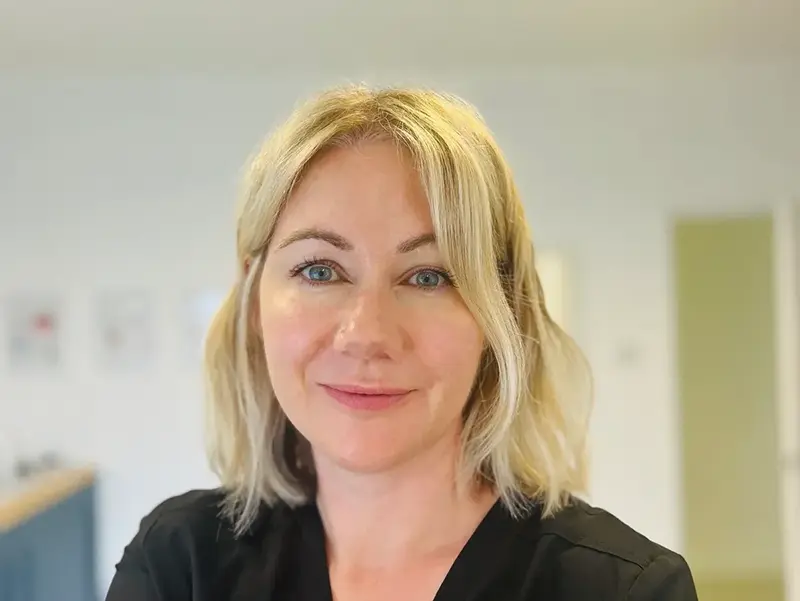
Rhiannon Meats is a registered mental health nurse and independent prescriber, with 15 years experience within the NHS, private and voluntary sector.
Rhiannon has completed UK Adult ADHD Network (UKAAN) training in the pharmacological treatment of ADHD and works as part of a larger multi-disciplinary team of health professionals specialising in the assessment and treatment of ADHD.
Headspace is located in Abergavenny, South Wales. Appointments can take place in clinic or online.
Before the appointment, the client will be sent forms to complete regarding medical history and ADHD symptoms. The client will also be asked to provide consent for a ‘subject access request’, which allows the prescriber to view only the relevant parts of medical records held by the GP to ensure safe prescribing. Fact sheets regarding different types of ADHD medication will also be provided for the client’s information.
At this appointment, the prescriber will discuss the client’s medical history, take blood pressure readings, and arrange an ECG if necessary. Medication options will be discussed and a choice made collaboratively. The prescriber will issue a prescription and then write to the client’s GP to advise them. NB: Pharmacies will charge for medication; this is likely to cost between £20–£100 per month, depending on brand and dose.
Every 2–4 weeks, the prescriber will meet with the client (by phone or online) to review progress. Blood pressure will be monitored (NB: clients will need to purchase a blood pressure monitor, which typically costs around £20). The dose will be adjusted until the most effective dose is reached. After each appointment, the prescriber will update the GP regarding the new prescription.
When the client has been stable on their optimum dose for approximately 6–8 weeks, the prescriber will write to the GP to request initiation of ‘shared care’. If agreed, the GP will then issue prescriptions for ongoing medication. If shared care is not an option, the prescriber can continue to provide prescriptions at a cost of £25 per prescription.
As part of the shared care agreement, the client will need to see a specialist annually for a medication review. The prescriber can continue to carry out this review until the client reaches the top of the waiting list to be seen by specialist NHS services (waiting lists vary, but many currently stand at 2–3 years).
Initial consultation
first prescription and GP letter
up to four titration appointments, prescriptions and GP letters
shared care arrangements
open communication via email/text/call throughout process
This blogpost provides further information: (link to Shared Care Dilemmas blog post on the NEWS page)
When someone receives an ADHD diagnosis and begins medication privately, it’s natural to hope that once everything is settled and stable, their GP will continue prescribing on the NHS. For some people, this does happen — but for many others, the GP practice is unable to accept shared care.
This can feel confusing and frustrating, especially when the private assessment has been thorough and the prescriber is a qualified specialist.
So why does this happen?
A shared care agreement is a formal arrangement where:
In theory, this is simple and sensible.
In reality, there are several reasons a GP may not be able to take it on.
Reason 1: GPs are not obliged to take shared care
Shared care is optional, not mandatory. Even with a comprehensive assessment, appropriate medication, and a qualified prescriber, a GP can still decline. This is usually due to workload, staffing, or governance responsibilities — not because they doubt the diagnosis.
Reason 2: Responsibility and oversight
If a GP takes over prescribing ADHD medication, they become clinically responsible for:
Many practices simply don’t have the capacity or infrastructure to manage this safely.
Reason 3: Local policies
Some GP practices or health boards only accept shared care when:
If assessment and medication began privately, the GP may not be allowed to take it on under their local policy.
Reason 4: Demand continues to rise
ADHD referrals have increased sharply in Wales and across the UK. Many GP surgeries are already under extreme pressure, making it difficult to accept new shared care responsibilities — even when they would like to.
Reason 5: Every surgery decides independently
One GP in a town may accept shared care, while another does not.
This inconsistency understandably frustrates patients, but it reflects differences in capacity, policy, and risk management.
What this means for clients
If your GP cannot take over prescribing:
It simply means the surgery is unable to take clinical responsibility at this time.
Our private ADHD pathway
We provide a complete, regulated and clinically robust pathway for adults and (where appropriate) young people who do not want to face long NHS delays.
If medication is appropriate:
Prescribing and titration are provided by a private Advanced Nurse Practitioner prescriber experienced in ADHD medications.
Rhiannon Meats is a registered mental health nurse and independent prescriber, with 15 years experience within the NHS, private and voluntary sector. She is HIW-approved to prescribe controlled medication.
All medication is monitored safely with physical health checks and regular review
This ensures a regulated prescribing pathway that meets clinical and legal standards in Wales.
If shared care isn’t available
We continue treatment privately with:
You will not be left without support or medication.
Will shared care become easier in the future?
Health boards across the UK are reviewing ADHD pathways. Over time, shared care arrangements may expand as services grow. If your GP becomes able to take over prescribing later, we will provide all necessary documentation to support the transition.
In summary
Shared care is a helpful system — but it isn’t always available.
When a GP cannot take on prescribing after a private diagnosis, it is usually due to capacity, local policy or clinical responsibility, not the quality of the assessment.
What matters most is that you have:
Our service offers all of this, without the long waits many people are currently facing.
If you would like to discuss assessment or treatment options, you are welcome to contact us confidentially for advice.
I offer an initial 20 minute online consultation at no cost.
This is an informal chat to better understand what you might need support with to ensure that I have the appropriate expertise to help you.
If I feel that you require an area of expertise that I do not work in, then I will signpost you to other professionals.
The initial 20-minute session is also an opportunity for us to see if we would both feel comfortable working together going forward.
Thereafter, paid sessions are usually 50 minutes long and spaced weekly initially.